
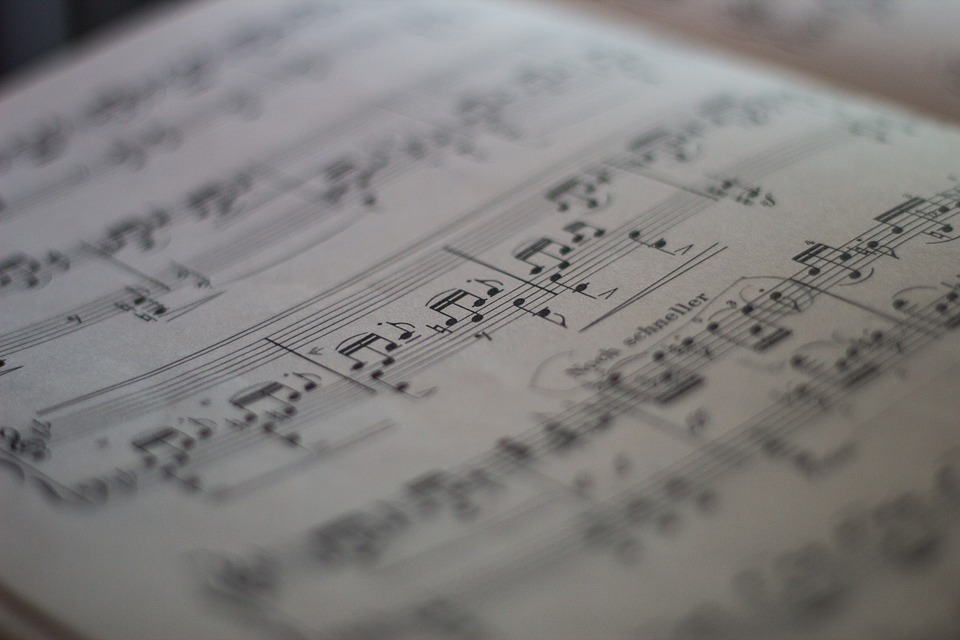
Music isn’t really a subject in its own right; it’s made up of many elements.
Maths. It helps to count the beats when you are singing or playing to make sure you get the rhythm right, and music theory is made up of all sorts of logical patterns and connections.
Physical Education. Singing or playing is a physical exercise. Next time you are watching your favourite performer, observe how much they gesture with their arms, dance and run about the stage while they are performing.
History. Music dates back over 45,000 years when Neanderthals made musical instruments like flutes and pipes out of mammoth bones to sing and dance to. Since then, thousands upon thousands of composers have added to the musical timeline through the renaissance and baroque periods right up to modern popular music.
Science. Music is sound which is a type of energy made of vibrations. When a string or drum surface is plucked or struck, it vibrates, which then causes the surrounding air molecules to move. This movement makes other molecules then bump into each other, transferring the vibrations through the air.
English. A lot of songs start out as poems. In fact, one of Britain’s favourite carols is a famous poem by Christina Rossetti called In the Bleak Midwinter.
Besides these, singing or playing music can improve your memory capacity and sharpen your concentration which will help you perform better in many other areas of your life, like schoolwork or tidying up, and can even help you concentrate more when you are gaming.
Written by Kate Males with Katy Bradley